
Transferable process skills (also known as professional skills) such as critical thinking, communication, and teamwork are commonly listed as desired outcomes in STEM undergraduate courses and programs. These skills, along with information processing, problem solving, and management are not only useful for students as they enter STEM fields, but they are also critical for students to be successful learners. Additionally, curricula should intentionally engage students in Science and Engineering Practices, as outlined in the Next Generation Science Standards framework. While the development of these skills is often a general goal for curricula, the cultivation of these skills is seldom explicitly facilitated or assessed in the classroom.
The growth of students' process skills is enhanced when instructors create explicit learning goals that include the development of these skills, provide learning experiences that cultivate these skills, and then assess and provide feedback to students on their progress. In active learning environments, transferable process skills can be developed and made visible through student assignments and tasks. Evaluating student artifacts and interpersonal interactions for evidence of process skills provides a means to incorporate the assessment of these skills into regular classroom practice and gives direct feedback to students on their development.
Process skills are often
called by other names
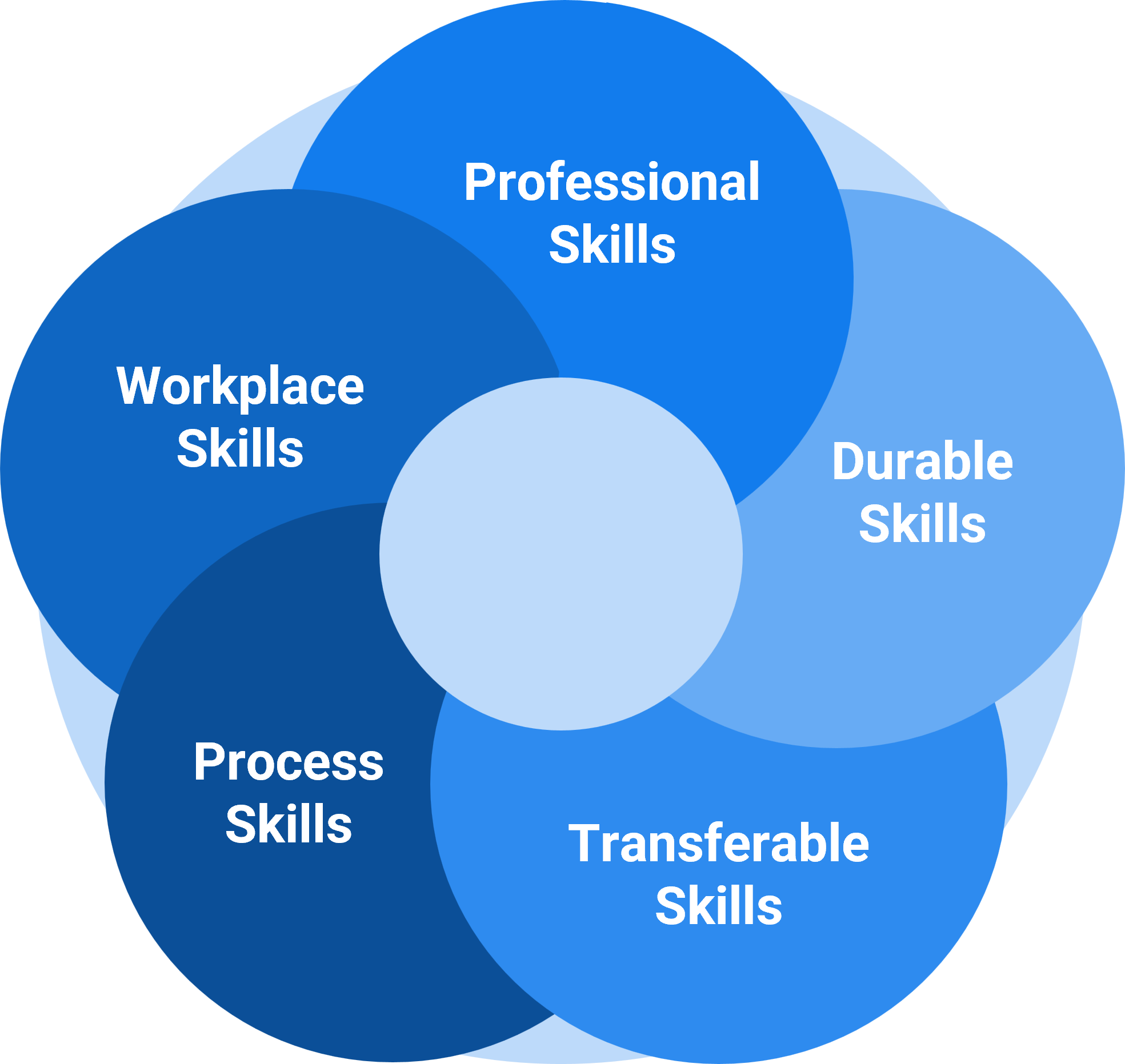
Implementation of these assessment strategies have been shown to positively impact faculty reflection and student outcomes in multiple STEM disciplines across a broad range of institutions; these rubrics have also become a key tool for measuring skill development for curricular innovations in the classroom and laboratory.
Faculty professional development workshops and technology innovation efforts have contributed to making these strategies scalable and readily adoptable.
The ELIPSS project has developed rubrics that collect evidence of behavioral characteristics for each skill and provide actionable feedback to students on their skill development.
UTILITY and VALIDITY
Rubrics are grounded in literature and practice
Rubrics are written to be accessible to students at a range of educational levels.
Rubrics were classroom tested:
Across STEM disciplines, including Biology, Chemistry, environmental science, engineering, mathematics and, computer science
At a range of institution types, such as R1, regional, Primarily undergraduate institutions, HBCUs, and community colleges
At different instructional levels: High school, undergraduate, and graduate
In learning environments employing a range of instructional approaches and a variety of active learning strategies